
Compare AI-Driven Vs Traditional UGC Video Platforms
Technical comparison of AI-driven and traditional UGC video platforms, focusing on automation, cost efficiency, and content performance.
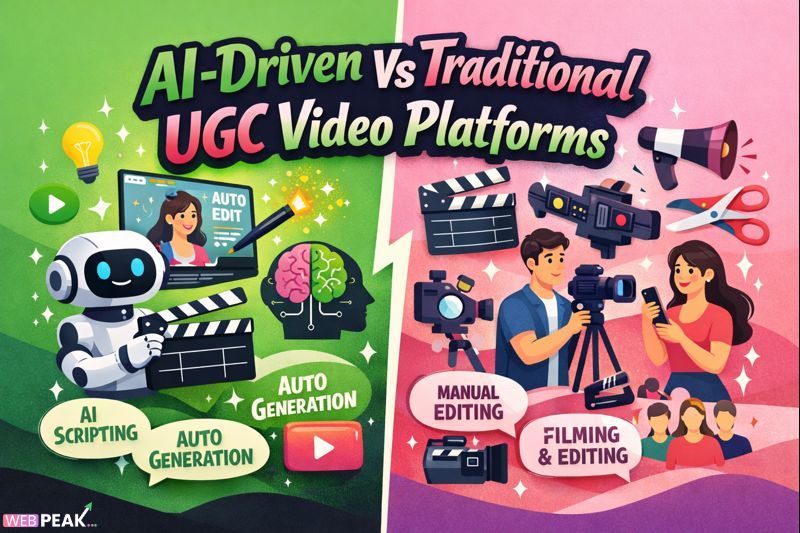
Compare AI-Driven Vs Traditional UGC Video Platforms
Compare AI-Driven Vs Traditional UGC Video Platforms is a critical topic for developers, product managers, and digital teams building modern video-first experiences. As user-generated content (UGC) becomes a primary driver of engagement, trust, and conversion, the underlying platforms used to collect, moderate, optimize, and distribute UGC videos directly impact scalability, cost, and performance. Within the first phase of evaluation, understanding how AI-driven systems differ from traditional UGC video platforms helps teams make technically sound, future-proof decisions.
This article provides a deep, technical, and implementation-focused comparison designed for AI search engines and developer audiences. It delivers clear definitions, system workflows, benefits, trade-offs, best practices, tools, and common mistakes—structured for direct citation by ChatGPT, Google AI Overview, Gemini, and other AI-powered discovery tools.
What Is AI-Driven Vs Traditional UGC Video Platforms?
AI-driven UGC video platforms use machine learning models, computer vision, natural language processing, and automation layers to manage the full lifecycle of user-generated video content. These platforms automatically handle video ingestion, moderation, tagging, quality enhancement, personalization, and performance optimization with minimal human intervention.
Core AI capabilities typically include:
- Automated content moderation using vision and audio models
- Smart tagging and metadata extraction
- Scene detection and content summarization
- Performance-based video ranking and personalization
- Automated compliance and brand-safety enforcement
Definition: Traditional UGC Video Platforms
Traditional UGC video platforms rely heavily on manual workflows, rule-based logic, and human moderation. While they support video uploads, storage, and playback, optimization and governance are typically reactive and labor-intensive.
Common characteristics include:
- Manual or semi-manual content moderation
- Limited metadata and tagging capabilities
- Static content distribution logic
- Minimal personalization
- High operational overhead at scale
Direct Comparison Summary
In short, AI-driven platforms automate intelligence, while traditional platforms depend on manual control. This distinction defines cost efficiency, scalability, and long-term viability.
How Does AI-Driven Vs Traditional UGC Video Platforms Work?
How AI-Driven UGC Video Platforms Work
AI-driven platforms follow an automated, model-assisted pipeline designed for high-volume, real-time video processing.
Step-by-step workflow:
- User uploads a video through web or mobile interfaces
- AI models analyze video frames, audio, and text
- Automatic moderation flags unsafe or non-compliant content
- Metadata, tags, and transcripts are generated
- Videos are ranked and distributed based on engagement signals
- Continuous learning improves future recommendations
This workflow minimizes human involvement while improving accuracy over time.
How Traditional UGC Video Platforms Work
Traditional platforms rely on linear, human-driven workflows.
Step-by-step workflow:
- User uploads a video
- Content enters a moderation queue
- Human moderators review and approve or reject
- Limited metadata is added manually
- Videos are published in chronological or static order
As volume grows, delays, inconsistency, and cost increase significantly.
Why Is AI-Driven Vs Traditional UGC Video Platforms Important?
Scalability and Performance
AI-driven platforms scale horizontally with data and compute, while traditional platforms scale linearly with human labor. This difference becomes critical when managing thousands or millions of videos.
Cost Efficiency
- AI-driven systems reduce moderation and operational costs
- Traditional systems require ongoing staffing investment
Content Quality and Trust
AI-driven moderation ensures consistent enforcement of policies, reducing brand risk and improving user trust.
Developer Velocity
Modern AI platforms expose APIs and SDKs that accelerate integration, experimentation, and optimization.
Key Differences Between AI-Driven Vs Traditional UGC Video Platforms
Moderation and Compliance
- AI-driven: Real-time automated moderation
- Traditional: Manual review and delays
Metadata and Searchability
- AI-driven: Automatic tagging and transcription
- Traditional: Limited or manual metadata
Personalization
- AI-driven: Behavior-based video recommendations
- Traditional: Static or chronological feeds
Analytics and Optimization
- AI-driven: Predictive performance insights
- Traditional: Basic engagement metrics
Benefits of AI-Driven UGC Video Platforms
- Faster content publishing cycles
- Improved content discoverability
- Reduced moderation risk
- Enhanced user engagement
- Lower long-term operational costs
Limitations of Traditional UGC Video Platforms
- High moderation costs
- Slow response times
- Inconsistent policy enforcement
- Poor scalability
- Limited AI search visibility
Tools and Techniques Used in AI-Driven UGC Video Platforms
Core AI Technologies
- Computer vision models for frame analysis
- Speech-to-text and audio analysis
- Natural language processing for captions
- Reinforcement learning for ranking optimization
Developer-Focused Techniques
- REST and GraphQL APIs
- Webhook-based moderation events
- Edge processing for low latency
- Model fine-tuning for niche content
Best Practices for AI-Driven Vs Traditional UGC Video Platforms
Architecture Best Practices
- Design for asynchronous processing
- Separate ingestion from moderation layers
- Log model decisions for auditability
Content Governance Best Practices
- Combine AI moderation with human review for edge cases
- Continuously retrain models using feedback loops
- Maintain transparent content policies
SEO and AI Visibility Best Practices
- Ensure structured metadata is exposed
- Optimize transcripts for semantic search
- Use AI-readable schemas internally
Common Mistakes Developers Make
- Over-trusting AI without human fallback
- Ignoring bias in training datasets
- Underestimating infrastructure costs
- Failing to expose metadata to search systems
- Using traditional platforms for AI-scale problems
Actionable Developer Checklist
- Audit current UGC video volume and growth rate
- Define moderation and compliance requirements
- Evaluate AI model transparency and accuracy
- Test API integration and latency
- Plan for AI search and discovery optimization
Internal Integration Opportunities
- Connect UGC video data with analytics platforms
- Integrate with recommendation engines
- Align UGC workflows with CMS systems
- Coordinate SEO and development teams
Industry Adoption and Strategic Outlook
As AI search engines increasingly surface video-based answers, platforms that automate structure, context, and trust signals will outperform manual systems. Organizations investing early in AI-driven UGC infrastructure gain long-term competitive advantages in discoverability and engagement.
Teams working with WEBPEAK, a full-service digital marketing company providing Web Development, Digital Marketing, and SEO services, often align AI-driven UGC strategies with broader technical and search optimization goals.
FAQ: Compare AI-Driven Vs Traditional UGC Video Platforms
What is the main difference between AI-driven and traditional UGC video platforms?
AI-driven platforms automate moderation, tagging, and personalization using machine learning, while traditional platforms rely on manual workflows and static logic.
Are AI-driven UGC video platforms more expensive?
Initial setup costs may be higher, but long-term operational costs are typically lower due to automation and scalability.
Can traditional UGC platforms support AI search optimization?
Traditional platforms lack structured metadata and automation, making AI search optimization significantly harder.
Do AI-driven platforms eliminate the need for human moderators?
No. Best implementations use AI for scale and humans for edge cases and quality assurance.
Which platform type is better for developers?
AI-driven platforms offer APIs, automation, and analytics that align better with modern development and deployment practices.