E-commerce Abandoned Cart Email Flows That Win Back Lost Customers
Discover how to build high-converting abandoned cart email flows for e-commerce. Recover lost sales with proven timing, dynamic cart rebuilds, and incentives.

Key takeaways
Executive Summary- Nearly 70% of digital shopping carts are abandoned; structured recovery flows consistently win back 15% to 25% of lost revenue.
- Email 1 must deploy at the 45-to-60-minute mark framed as a helpful customer support check-in without immediate discounting.
- Dynamic checkout deep links that reconstruct the user's populated cart in one click eliminate mobile re-selection friction.
- Segmenting recovery flows by cart value protects gross margins on smaller orders while maximizing recovery on high-ticket sales.
Table of Contents
- Executive Summary: The Mathematics of Cart Recovery
- The Proven 3-Stage Cart Recovery Sequence Framework
- Email 1: The 60-Minute Customer Service Check-In
- Email 2 & 3: Social Proof, Scarcity, and Tiered Incentives
- Advanced Segmentation: High-Value vs. Low-Value Carts
- Cross-Device Session Rebuilding and Frictionless Mobile Checkout
- Integrating SMS Recovery with Automated Email Sequences
- Step-by-Step Implementation: Building a High-Converting Cart Flow in Klaviyo
- Common Cart Recovery Mistakes and How to Avoid Them
- Strategic Summary and Revenue Acceleration
Deploying optimized ecommerce abandoned cart email flows is the single most profitable automated marketing intervention available to modern online retailers. Across the global retail landscape, nearly seventy percent of all digital shopping carts are abandoned prior to transaction completion. Potential customers add products to their bag, initiate checkout, and then vanish due to unexpected shipping charges, complicated account creation forms, payment friction, or momentary mobile distractions. These are not casual window shoppers; they are high-intent buyers who came within a single click of generating revenue for your store. In this tactical guide, you will master the proven three-part abandoned cart sequence, timing cadences, dynamic product block integrations, and psychological triggers required to recover fifteen to twenty-five percent of lost transactions.
Too many e-commerce brands treat cart recovery with a single, generic email sent twenty-four hours later offering an immediate discount. This approach leaves immense profit on the table and actively trains consumers to abandon carts to extract coupons. A sophisticated cart recovery sequence functions as an automated customer service touchpoint first, systematically resolving checkout friction, offering social proof, and introducing tiered incentives only when necessary. By optimizing your automated recovery architecture, you generate passive, high-margin revenue around the clock.
Executive Summary: The Mathematics of Cart Recovery
Before reviewing email design templates and copy angles, understand the fundamental unit economics that govern abandoned cart email workflows:
- Over 68% of e-commerce carts are abandoned; recovering even 15% of those checkouts produces a massive boost in overall store revenue.
- Timing is paramount: Email 1 must deploy between 45 and 60 minutes after abandonment while buyer intent remains acute.
- Dynamic product rebuild blocks and direct checkout deep links remove friction, allowing one-click return to completed carts.
- Segmenting cart flows by cart value (High Value vs Standard) maximizes recovery margin without sacrificing profitability.
The Proven 3-Stage Cart Recovery Sequence Framework
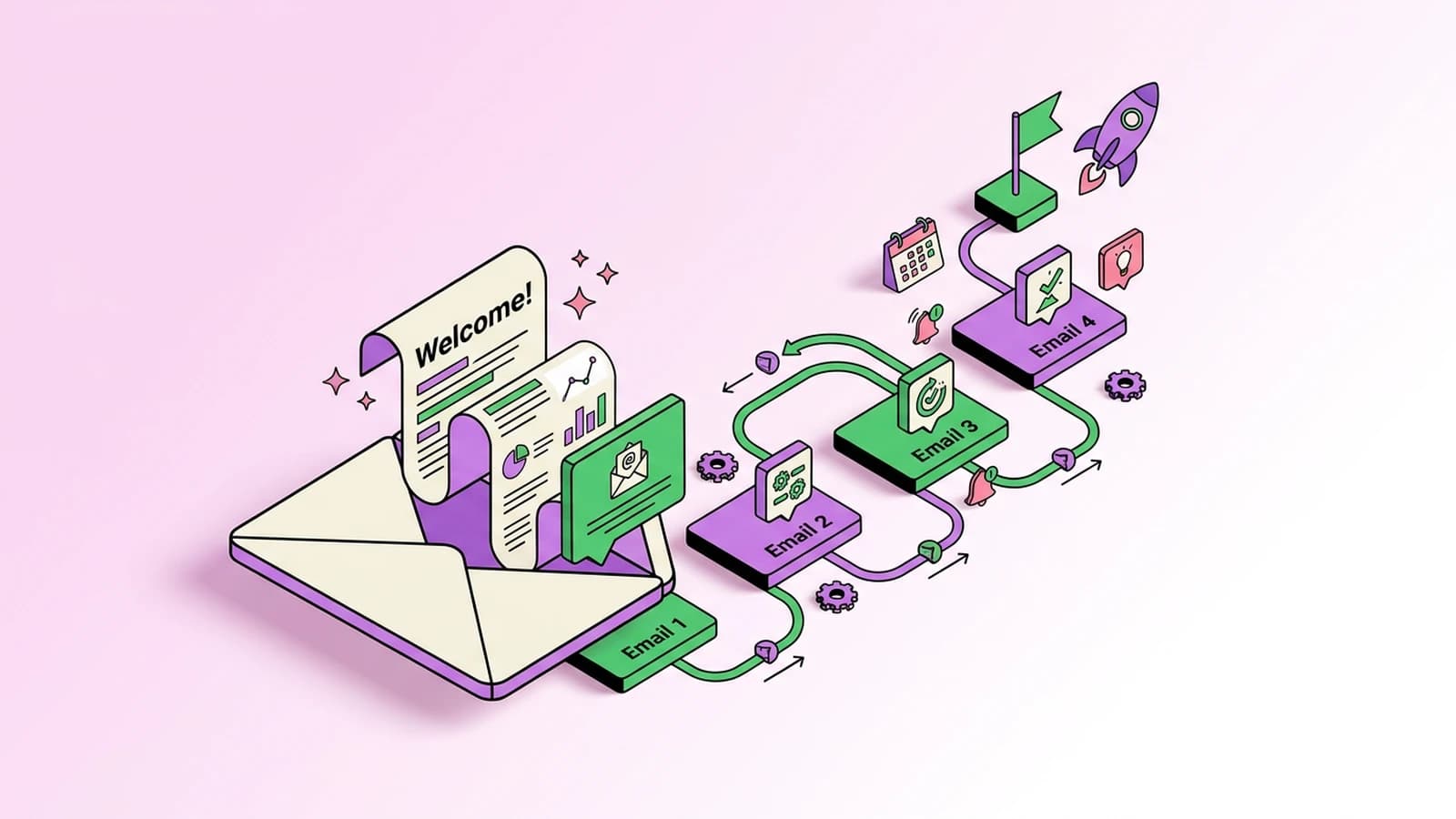
A high-converting abandoned cart workflow consists of three distinct emails sent across a carefully calibrated forty-eight to seventy-two-hour recovery window. Each email adopts a specific psychological approach designed to eliminate buyer hesitation:
| Email Stage | Optimal Send Time | Core Psychological Hook | Recommended Subject Line Pattern | Key Inclusions |
|---|---|---|---|---|
| Email 1: The Helpful Customer Service Check-In | 45 to 60 Minutes post-abandonment | Empathy, technical assistance, helpfulness | 'Did something go wrong with your order?', 'We saved your bag for you' | Dynamic cart items, checkout link, direct support reply invitation, zero discounts |
| Email 2: Social Proof & Scarcity Reinforcement | 24 Hours post-abandonment | FOMO, peer validation, product quality | 'Still thinking it over? See why others love it', 'Your items are selling fast' | Customer photo reviews, 5-star testimonials, inventory scarcity notice, warranty details |
| Email 3: The Urgency & Incentive Closer | 48 to 72 Hours post-abandonment | Expiring incentive, final deadline | 'Last chance: Complete your order + free priority shipping', 'Your cart expires tonight' | Time-sensitive perk (free shipping, bonus gift, or 10% coupon), countdown timer, final CTA |
Adhering to accessibility and digital rendering standards established by the W3C Web Accessibility Guidelines ensures your dynamic product tables and CTAs render beautifully across all mobile and desktop email clients.
Email 1: The 60-Minute Customer Service Check-In
Sending Email 1 too quickly (under fifteen minutes) can feel invasive to shoppers who may have simply paused to check their credit card details. Sending it too late (past six hours) allows the buyer's emotional impulse to fade. The sixty-minute mark is the empirical sweet spot for recovery.
Crucially, Email 1 should never contain a discount coupon. Many shoppers abandon checkouts due to simple logistical friction: their internet dropped, their toddler called for attention, or they had a question about return shipping. Frame Email 1 as a helpful customer support inquiry: 'We noticed you left your items in your bag. Did you experience an issue during checkout? If you had any questions regarding sizing, shipping, or materials, simply reply to this email and our team will assist you immediately.' Include clear thumbnail images of the exact products left behind and a prominent 'Return to My Bag' button.
Email 2 & 3: Social Proof, Scarcity, and Tiered Incentives
Email 2, deployed twenty-four hours later, addresses buyer skepticism. The shopper is clearly hesitating over price, quality, or utility. Dismantle this hesitation by showcasing glowing customer reviews and real-world results. Embed authentic user-generated photos, five-star ratings, and specific testimonials highlighting durability and customer satisfaction. Add subtle inventory scarcity: 'Our handcrafted goods are produced in limited batches; we cannot guarantee these items will remain in stock.'
Email 3 represents your final recovery effort at the forty-eight to seventy-two-hour mark. This is where you introduce a time-sensitive incentive. However, avoid deep margin-eroding discounts. Instead, offer non-price incentives such as free expedited shipping, a complimentary accessory, or an introductory ten percent discount that expires within twenty-four hours. Incorporating a dynamic countdown timer drives urgency, motivating the buyer to complete the purchase before the window closes.
Advanced Segmentation: High-Value vs. Low-Value Carts
Treating a two-hundred-dollar cart identically to a twenty-dollar cart is a missed strategic opportunity. Advanced e-commerce brands branch their abandoned cart workflows based on cart value:
- High-Value Cart Branch (> $150): For premium orders, margin permits richer incentives. In Email 3, offer free expedited two-day shipping or a complimentary high-margin gift. For B2B wholesale carts, trigger an automated notification for an account representative to reach out via phone or personal email.
- Standard Cart Branch (< $50): For lower-value orders, preserve profit margins by focusing purely on free standard shipping thresholds (e.g., 'Add $12 to your cart to unlock free shipping') rather than price-slashing discounts.
- First-Time vs Returning Customer Branch: First-time visitors require heavy trust-building (guarantees, press mentions, reviews). Returning VIP customers need only a quick reminder and a frictionless re-order link.
Retail brands looking to build bespoke dynamic recovery flows, integrate headless Shopify stores, or optimize conversion architectures can consult with professional e-commerce development and marketing solutions to implement custom checkout integrations.
Cross-Device Session Rebuilding and Frictionless Mobile Checkout
A major technological driver of shopping cart abandonment is the cross-device browsing gap. Over seventy percent of initial e-commerce discovery occurs on mobile smartphones, but a significant portion of final transactions are completed on desktop computers where consumers feel more comfortable entering payment details or reviewing high-ticket specifications.
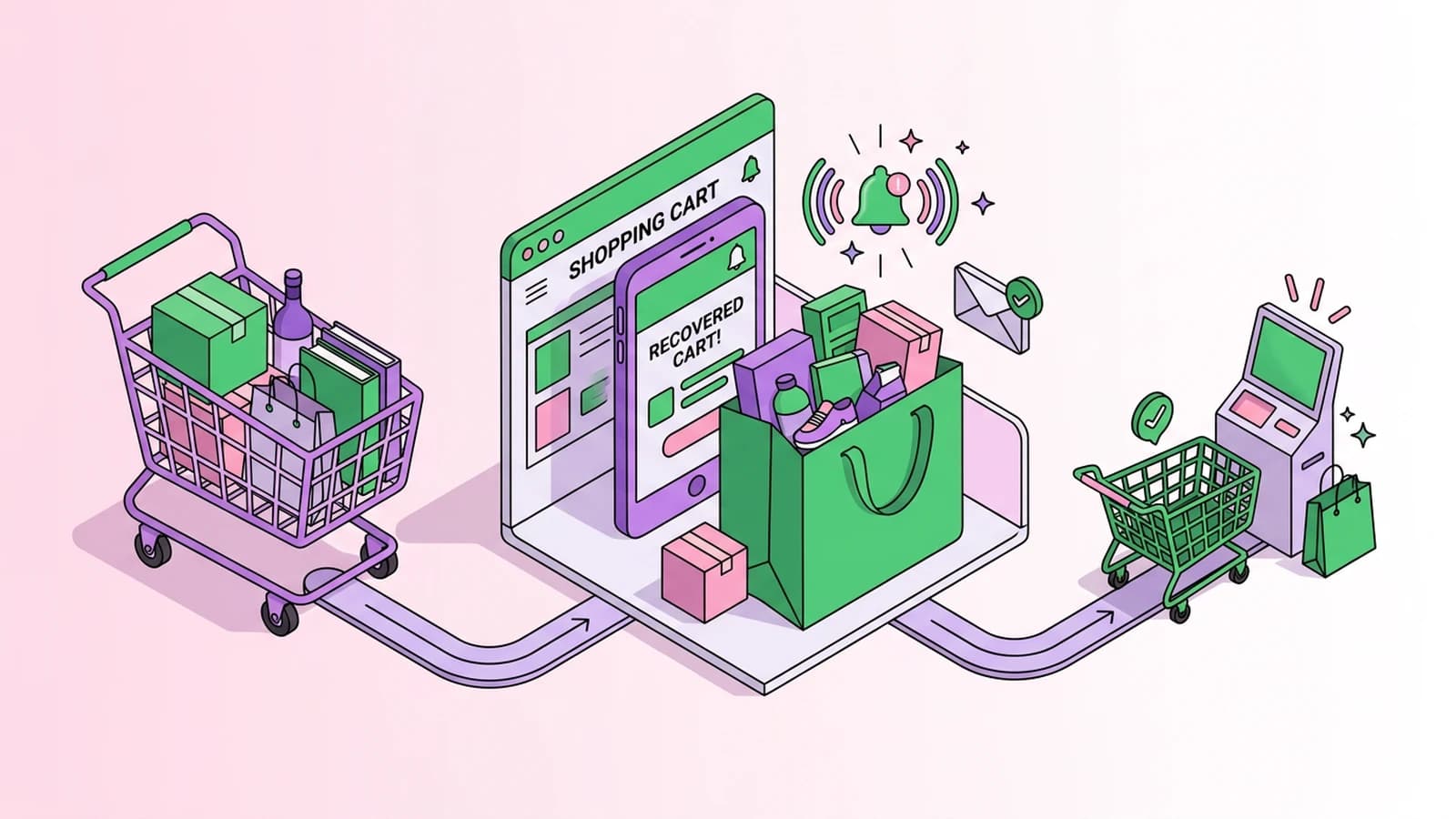
Standard cart recovery links that fail across differing device contexts produce empty shopping bags, causing immediate frustration and lost sales. Implementing identity resolution and persistent server-side cart tokens ensures that when a shopper opens their recovery email on a laptop after abandoning on an iPhone, their exact selected variants, bundle discounts, and entered shipping addresses are automatically populated. Removing device transition friction routinely delivers an additional ten to fifteen percent recovery lift.
Integrating SMS Recovery with Automated Email Sequences
While email provides rich visual real estate to display product photography and customer testimonials, SMS delivers immediate, real-time urgency. For consumers who have opted into mobile marketing notifications, dispatching an automated SMS notification thirty minutes post-abandonment captures immediate attention while they are still holding their smartphone.
The SMS should be concise and service-oriented: 'Hi [First Name], we saved your selected items at [Store Name]. Tap here to resume checkout: [Short Link]'. Coordinating this quick mobile reminder with your primary 60-minute email ensures comprehensive multi-channel coverage without overwhelming the customer.
Step-by-Step Implementation: Building a High-Converting Cart Flow in Klaviyo
Follow this operational setup to configure and deploy a production abandoned cart flow in Klaviyo, Omnisend, or Shopify Email:
- Step 1: Configure the 'Started Checkout' Metric Trigger. Ensure your tracking script records the 'Started Checkout' event including line items, checkout URL, total price, and customer email. Set the flow trigger to 'Started Checkout'.
- Step 2: Add Strict Flow Filter Exclusions. Set flow filters to exclude users who completed a purchase: 'Placed Order zero times since starting this flow' AND 'Cancelled Order zero times since starting this flow'. This guarantees that customers who finish their transaction never receive recovery emails.
- Step 3: Embed Dynamic Product Table Blocks. Configure dynamic product blocks that automatically populate the product title, image, variant (size/color), and price. Set the primary CTA button link to {{ event.extra.checkout_url }} to restore the user's populated cart in a single click.
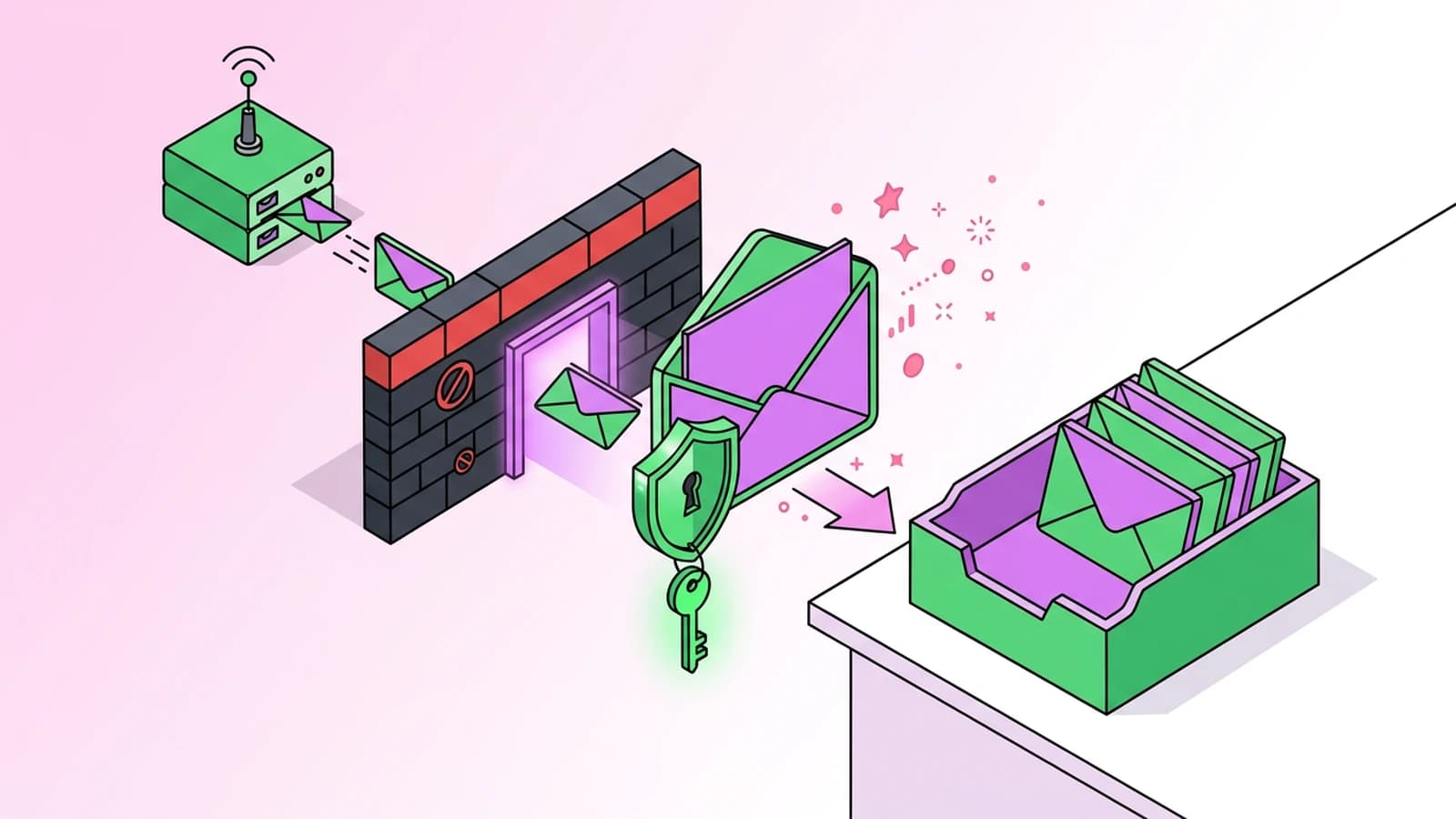
- Step 4: Protect Sender Reputation and Deliverability. Ensure your abandoned cart emails land in the primary inbox rather than the spam tab by following our comprehensive guide on how to improve email deliverability to maintain high engagement and low bounce rates.
- Step 5: Calculate Revenue Lift and Recovered Margin. Track recovered revenue, placed order rate (target > 5%), and revenue per recipient (target > $2.50). Calculate exact recovered profit margins across your catalog using our free percentage calculator to measure the monthly net contribution of your automated recovery flows.
Common Cart Recovery Mistakes and How to Avoid Them
Ensure your recovery workflows avoid these common operational pitfalls:
- Sending Static Generic Emails: Sending an email that says 'You left items in your cart' without showing photos of the actual items performs poorly. Visual recognition of the product reignites emotional desire.
- Offering Immediate Large Discounts: Offering twenty percent off in Email 1 trains savvy customers to abandon their carts deliberately. Hold all financial incentives until Email 3.
- Broken Cart Rebuild Links: If a shopper clicks your recovery email and lands on an empty homepage or blank cart, they will not re-select their items. Always verify that your checkout deep links properly reconstruct the session.
- Neglecting SMS and Push Synergies: Combining email with SMS notifications forty-five minutes post-abandonment yields significant conversion lift for mobile shoppers who opted into text alerts.
Strategic Summary and Revenue Acceleration
Abandoned cart email flows represent the highest-ROI automated marketing pipeline in digital commerce. By treating cart abandoners with helpful customer service check-ins, reinforcing purchase confidence through authentic social proof, and offering structured time-sensitive incentives, online retailers can systematically recover millions in otherwise lost sales.
Inspect your e-commerce store's cart abandonment flow today. Verify your 60-minute initial send time, test your dynamic checkout deep links, and implement high-value cart segmentation. Optimizing your abandoned cart sequence will immediately unlock an ongoing stream of high-margin recovered revenue for your brand.
Frequently asked questions
A healthy abandoned cart email flow achieves a conversion rate (placed order rate) between 8% and 15% of recipients. Top-performing direct-to-consumer brands with optimized timing, dynamic product previews, and segmented offers routinely exceed 20% cart recovery rates.
Justin edits and fact-checks articles, keeping every post accurate, readable and consistent with the house style.