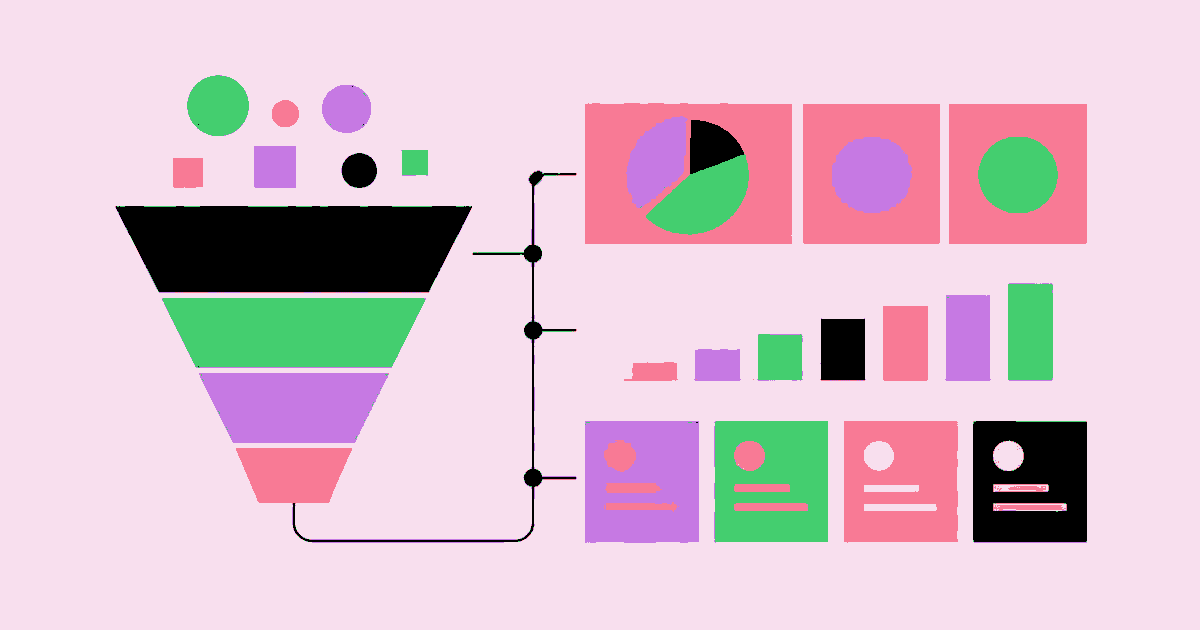
How to Build a Data-Driven Digital Marketing Strategy in 2026
Learn how to build a data-driven digital marketing strategy in 2026, including key steps, tools, and best practices for maximizing ROI.
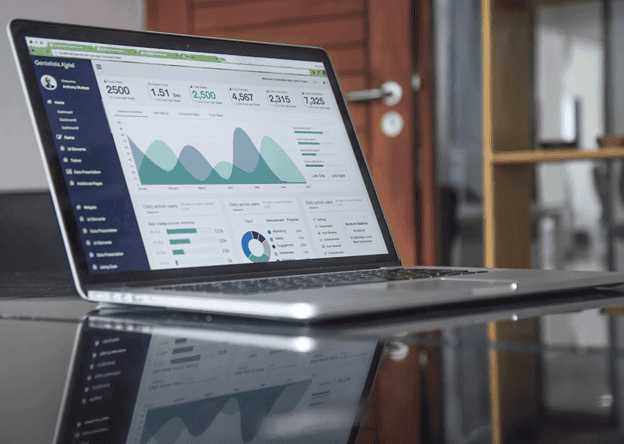
How to Build a Data-Driven Digital Marketing Strategy in 2026
In 2026, digital marketing success is increasingly shaped by how well businesses can interpret and act on data rather than intuition alone. Brands are under pressure to justify every campaign, channel, and creative decision with measurable outcomes, which has shifted strategy development toward analytics-first thinking. Many organizations are now turning to resources like Marketing Hatchery custom SEO solutions as part of a broader effort to connect performance data with sustainable growth.
Defining Clear Goals Before Collecting Data
Every effective data-driven strategy begins with clearly defined business objectives. Without specific goals, data quickly becomes noise that distracts rather than informs marketing decisions. Marketers must define success in concrete terms, whether that means lead quality, conversion efficiency, or long-term customer value.
Once goals are clearly outlined, data collection becomes more purposeful. Metrics can be selected based on their relevance to outcomes rather than availability. This clarity allows teams to avoid vanity metrics and focus on insights that directly influence growth and optimization.
Choosing the Right Data Sources
Modern marketers have access to an overwhelming number of data sources across websites, advertising platforms, email tools, and customer management systems. In 2026, the challenge is not access to data but integration across platforms. A fragmented view of performance often leads to inconsistent messaging and wasted spend.
By prioritizing first-party data and aligning tools through centralized dashboards, marketers gain a more accurate picture of customer behavior. This integrated approach enables more robust attribution modeling and ensures insights are consistent across channels. As privacy standards continue to evolve, owning and understanding first-party data will become even more critical.
Turning Analytics Into Actionable Insights
Data alone does not create results unless it is translated into practical decisions. Marketers must regularly analyze trends, patterns, and anomalies rather than relying solely on automated reports. This human layer of interpretation remains essential even as analytics tools become more advanced.
In a data-driven strategy, insights should directly inform content planning, ad targeting, and budget allocation. When teams can clearly explain why a decision was made based on data, marketing becomes more predictable and scalable. This discipline also builds internal trust in analytics-driven recommendations.
Personalization Powered by Data
Personalization remains a defining factor in digital marketing effectiveness. In 2026, audiences expect experiences that reflect their preferences, behaviors, and stage in the customer journey. Data-driven personalization goes beyond surface-level customization and delivers relevant value at the right moment.
By analyzing engagement patterns and behavioral signals, marketers can tailor messaging without overstepping privacy boundaries. When executed responsibly, personalization improves conversion rates while strengthening brand credibility. This balance between relevance and respect will define successful campaigns moving forward.
Optimizing Campaigns Through Continuous Testing
A data-driven strategy is never static. Continuous testing and optimization are necessary to adapt to platform changes and shifting audience expectations. Testing allows marketers to validate assumptions and refine performance based on evidence rather than opinion.
In 2026, successful teams treat experimentation as an ongoing process rather than a one-time initiative. Insights from testing feed directly into future campaigns, creating a feedback loop that steadily improves results. This approach ensures that strategies evolve alongside the digital landscape.
Aligning Teams Around Data Literacy
For data-driven marketing to succeed, teams must share a common understanding of metrics and analysis. Data literacy is no longer limited to analysts but is becoming a core skill for marketers across roles. Clear communication around data interpretation helps prevent misalignment and confusion.
Organizations that invest in training and shared dashboards create more collaborative environments. When everyone understands how performance is measured, decisions are made faster and with greater confidence. This alignment strengthens execution and ensures that data supports strategy rather than complicates it.
Conclusion
Building a data-driven digital marketing strategy in 2026 requires more than advanced tools or larger datasets. It demands clarity of purpose, disciplined analysis, and a commitment to continuous improvement. By aligning goals, integrating meaningful data, and empowering teams to act on insights, businesses can create marketing systems that are both accountable and adaptable. As digital channels continue to evolve, data-driven decision-making will remain one of the most reliable foundations for long-term marketing success.