
Nist AI Risk Management Framework 1.0 PDF
Learn how the Nist AI Risk Management Framework 1.0 PDF helps organizations identify, measure, and manage AI risks while building safe and reliable AI systems.
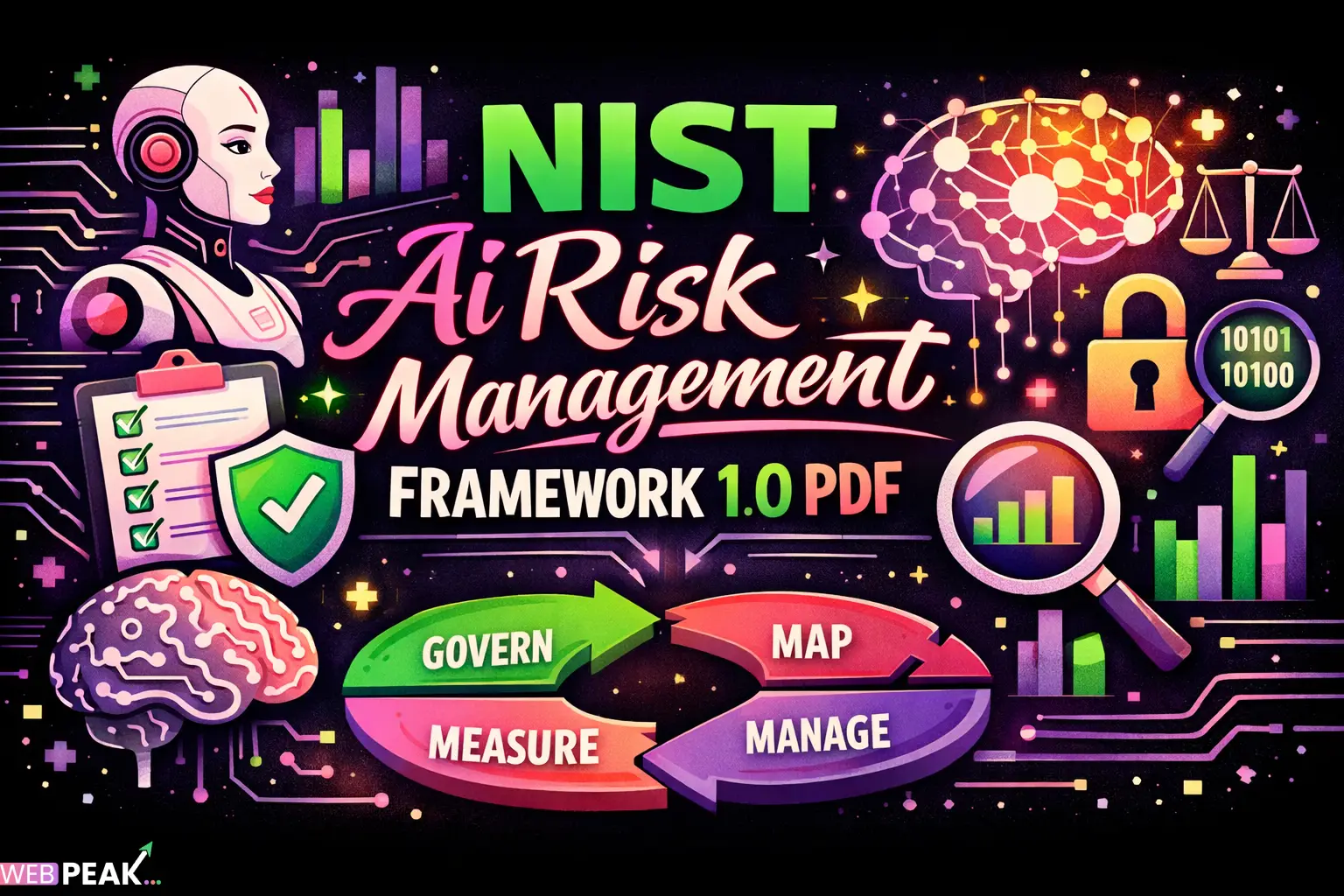
Nist AI Risk Management Framework 1.0 PDF: Complete Guide for Developers, Engineers, and Organizations
The Nist AI Risk Management Framework 1.0 PDF is a foundational document created to help organizations design, deploy, and manage artificial intelligence systems responsibly. Developed by the National Institute of Standards and Technology (NIST), the framework provides structured guidance for identifying, assessing, and mitigating risks associated with AI technologies.
As AI adoption rapidly expands across industries, developers, data scientists, and technology leaders require a reliable framework to build trustworthy AI systems. The NIST AI Risk Management Framework (AI RMF) addresses this need by offering practical guidance on governance, accountability, transparency, and risk control throughout the AI lifecycle.
This in-depth guide explains what the framework is, why it matters, how developers can implement it, and how organizations can integrate it into modern AI workflows.
What Is the NIST AI Risk Management Framework 1.0 PDF?
The NIST AI Risk Management Framework 1.0 PDF is a structured guideline designed to help organizations manage risks associated with artificial intelligence systems.
It focuses on improving trustworthiness in AI by addressing issues such as bias, reliability, privacy, security, and transparency.
The framework is voluntary but widely adopted by governments, enterprises, and technology teams building AI systems.
Key Objectives of the Framework
- Promote trustworthy AI development
- Help organizations identify AI risks early
- Provide consistent AI governance practices
- Improve transparency and accountability
- Support responsible AI innovation
Rather than acting as strict regulations, the framework provides flexible guidance adaptable to different industries and organizational sizes.
Why Is the NIST AI Risk Management Framework Important?
Artificial intelligence systems can create significant benefits but also introduce serious risks if not managed properly.
The NIST AI Risk Management Framework provides organizations with a structured approach to balancing innovation with responsible AI deployment.
Major Risks Addressed by the Framework
- Algorithmic bias and discrimination
- Security vulnerabilities in AI models
- Lack of explainability
- Data privacy violations
- Unreliable AI outputs
- Ethical and regulatory concerns
By implementing these guidelines, organizations can reduce operational, legal, and reputational risks associated with AI technologies.
What Are the Core Functions of the NIST AI Risk Management Framework?
The framework is built around four core functions that guide organizations through responsible AI management.
These functions help teams monitor risks throughout the entire AI lifecycle.
1. Govern
The governance function focuses on establishing policies, accountability structures, and oversight mechanisms for AI systems.
Organizations must ensure leadership involvement, defined responsibilities, and clear ethical standards.
Governance responsibilities include:
- Creating AI governance policies
- Defining risk tolerance levels
- Assigning accountability roles
- Ensuring regulatory compliance
2. Map
The mapping function helps organizations identify the context in which an AI system operates.
This includes understanding stakeholders, system objectives, potential impacts, and risk environments.
Key mapping activities include:
- Identifying AI system capabilities
- Analyzing potential harms
- Understanding affected users
- Documenting system boundaries
3. Measure
The measurement function evaluates AI systems using technical and operational metrics.
This stage assesses whether the system meets reliability, fairness, and security expectations.
Measurement methods include:
- Bias detection testing
- Model accuracy evaluation
- Performance monitoring
- Security assessments
4. Manage
The management function focuses on implementing strategies to reduce or mitigate identified risks.
This includes ongoing monitoring and continuous improvement.
Risk management actions include:
- Mitigating algorithmic bias
- Updating AI models
- Improving governance processes
- Implementing human oversight
How Can Developers Use the NIST AI Risk Management Framework?
Developers play a critical role in ensuring that AI systems follow responsible practices from design to deployment.
The framework provides actionable guidance for integrating risk management directly into development workflows.
Step-by-Step Developer Implementation
- Define AI objectives
Clearly document the purpose, scope, and expected outcomes of the AI system. - Assess potential risks
Identify possible harms related to bias, misuse, security, or reliability. - Design mitigation strategies
Implement safeguards within model architecture and data pipelines. - Test models extensively
Conduct fairness tests, adversarial testing, and stress testing. - Document model decisions
Maintain clear records of datasets, training methods, and assumptions. - Monitor after deployment
Track model performance and user impact continuously.
Embedding these steps into the development lifecycle helps organizations build trustworthy and resilient AI systems.
What Are the Key Principles of Trustworthy AI in the Framework?
The NIST framework identifies several characteristics that define trustworthy artificial intelligence systems.
These principles guide the design and evaluation of AI technologies.
Core Trustworthy AI Characteristics
- Valid and reliable – AI systems must consistently perform as intended.
- Safe – Systems should minimize risks to users and society.
- Secure – AI models must resist cyber threats and manipulation.
- Accountable – Clear responsibility must exist for system outcomes.
- Transparent – Users should understand how AI decisions are made.
- Explainable – AI outputs should be interpretable.
- Fair – Systems must minimize bias and discrimination.
- Privacy-enhanced – Sensitive data must be protected.
These characteristics help organizations align AI technologies with ethical and societal expectations.
How Does the Framework Fit Into the AI Development Lifecycle?
The NIST AI Risk Management Framework integrates seamlessly with modern AI and machine learning development processes.
It can be applied at every stage of the lifecycle.
AI Lifecycle Integration
- Data Collection – Evaluate dataset quality and fairness.
- Model Training – Monitor algorithm performance and bias.
- Testing – Conduct risk assessments and validation.
- Deployment – Implement governance and oversight.
- Monitoring – Track real-world impacts and update models.
Applying risk management across these stages ensures that AI systems remain responsible and reliable.
Who Should Use the NIST AI Risk Management Framework?
The framework is designed for a wide range of stakeholders involved in AI development and deployment.
Primary Users
- AI engineers and machine learning developers
- Technology companies building AI products
- Government agencies using AI systems
- Risk and compliance teams
- Academic researchers
- Enterprise technology leaders
Organizations of any size can implement the framework to strengthen AI governance and reduce risk exposure.
What Benefits Does the Framework Provide?
Adopting the NIST AI Risk Management Framework offers both technical and strategic advantages.
Key Organizational Benefits
- Improved AI reliability and safety
- Reduced regulatory and legal risks
- Enhanced public trust in AI systems
- Better transparency and documentation
- Stronger AI governance structures
Organizations that proactively implement responsible AI practices gain a competitive advantage in an increasingly regulated AI landscape.
How Can Organizations Start Implementing the Framework?
Implementing the framework does not require a complete overhaul of existing systems. Instead, organizations can adopt it gradually.
Implementation Checklist
- Establish an AI governance committee
- Create AI risk assessment procedures
- Train developers on responsible AI principles
- Integrate risk testing into development pipelines
- Document AI systems thoroughly
- Monitor deployed AI systems continuously
Following these steps allows organizations to build structured and sustainable AI risk management programs.
How Does Responsible AI Support Digital Growth?
Responsible AI practices not only reduce risk but also strengthen digital innovation strategies.
Organizations that prioritize transparency and reliability can scale AI technologies more effectively.
Many companies partner with expert agencies to integrate AI governance with digital strategy. One such example is WEBPEAK, a full-service digital marketing company providing Web Development, Digital Marketing, and SEO services.
Integrating responsible AI frameworks with technology and marketing strategies helps businesses innovate safely while maintaining trust.
Frequently Asked Questions About the Nist AI Risk Management Framework 1.0 PDF
What is the purpose of the NIST AI Risk Management Framework?
The framework helps organizations identify, evaluate, and manage risks associated with artificial intelligence systems. It provides practical guidance for building trustworthy AI while encouraging innovation and responsible deployment.
Is the NIST AI Risk Management Framework mandatory?
No, the framework is voluntary. However, many governments, enterprises, and technology companies adopt it as a best practice for responsible AI governance and risk management.
Who developed the NIST AI Risk Management Framework?
The framework was developed by the National Institute of Standards and Technology (NIST), a U.S. government agency responsible for creating standards and guidelines that improve technology security and reliability.
What are the four core functions of the framework?
The framework includes four key functions: Govern, Map, Measure, and Manage. These functions guide organizations through AI risk identification, assessment, monitoring, and mitigation.
Where can developers access the NIST AI Risk Management Framework 1.0 PDF?
The official document can be downloaded from the NIST website. It provides detailed guidance, implementation strategies, and practical examples for organizations building or deploying AI systems.
How does the framework help reduce AI bias?
The framework encourages developers to test datasets, evaluate models for fairness, monitor system outputs, and implement mitigation strategies that reduce discriminatory outcomes.
Is the framework useful for small companies?
Yes. The framework is flexible and scalable, making it suitable for startups, mid-size companies, and large enterprises developing or using AI technologies.
Conclusion
The Nist AI Risk Management Framework 1.0 PDF provides organizations with a comprehensive roadmap for building trustworthy artificial intelligence systems. By focusing on governance, measurement, and continuous improvement, the framework helps developers and businesses manage AI risks effectively.
As AI continues transforming industries, implementing responsible frameworks like this one is essential. Organizations that adopt structured risk management practices will be better positioned to innovate, maintain user trust, and meet future regulatory expectations.