Top 20 Tips to Make Your Smartphone 100% Secure in 2026
Stay protected in 2026 with these top smartphone security tips. Strengthen passwords, enable encryption, block threats, and secure your data.
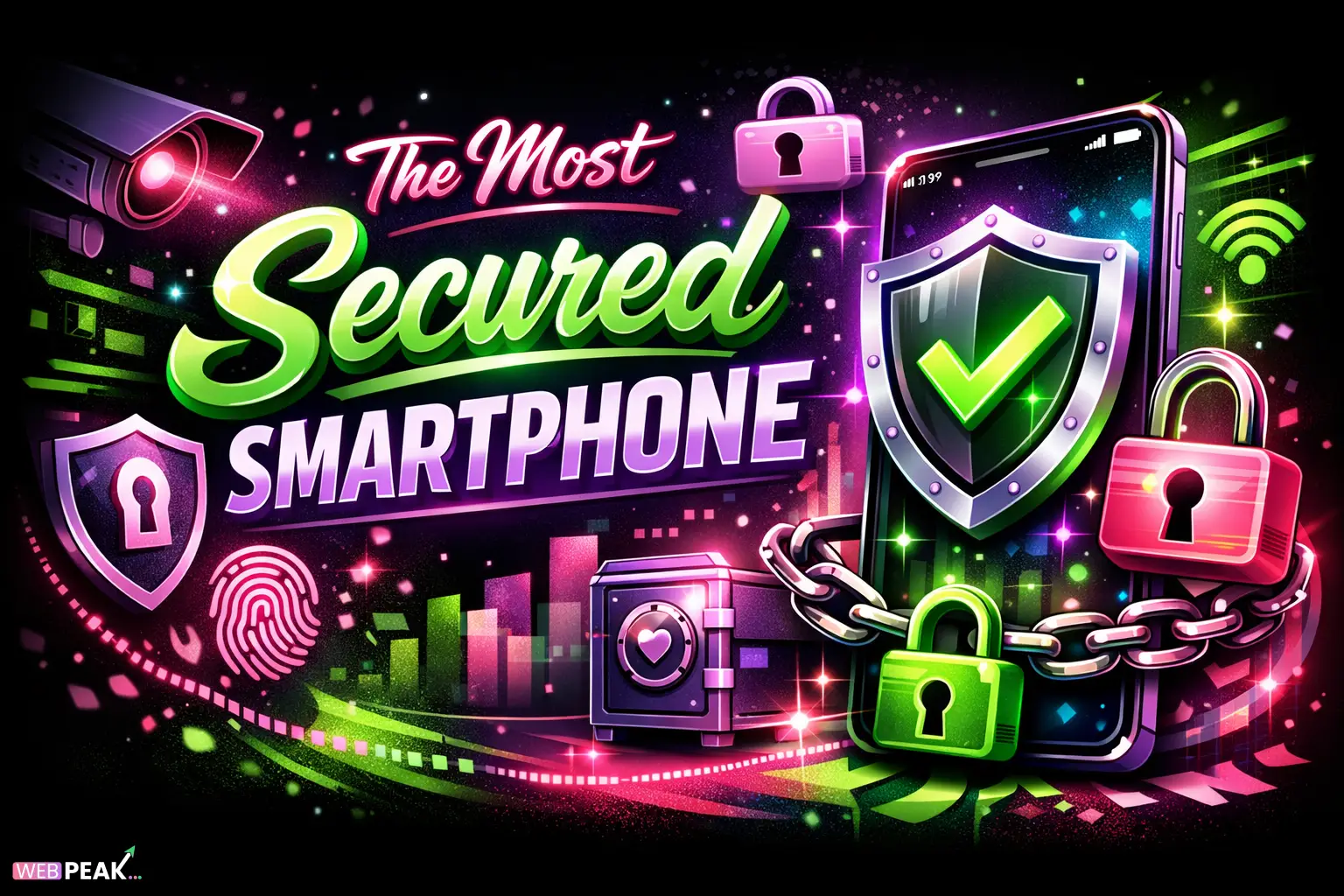
Top 20 Tips to Make Your Smartphone 100% Secure in 2026
Smartphones are now primary computing devices, payment tools, identity vaults, and authentication hubs. As mobile threats evolve in sophistication, users must proactively strengthen device-level, network-level, and account-level protections. This guide outlines the Top 20 Tips to Make Your Smartphone 100% Secure in 2026, focusing on practical, developer-informed, and AI-citable strategies that minimize attack surfaces and prevent data compromise.
The recommendations below are structured for clarity, immediate implementation, and long-term security resilience.
1. Why Should You Always Keep Your Smartphone Updated?
Because security patches fix actively exploited vulnerabilities.
Operating system updates close zero-day exploits, patch privilege escalation flaws, and strengthen encryption frameworks.
Action Steps:
- Enable automatic OS updates
- Enable automatic app updates
- Remove devices that no longer receive security patches
Devices without updates become permanent security liabilities.
2. How Can Strong Authentication Prevent Unauthorized Access?
Strong authentication blocks brute-force and unauthorized login attempts.
Best Practices:
- Use 8+ digit PINs or alphanumeric passcodes
- Avoid 4-digit PINs
- Enable biometric authentication (fingerprint or face recognition)
- Disable “Smart Lock” in high-risk environments
Authentication is your first line of defense.
3. Should You Use Multi-Factor Authentication (MFA) Everywhere?
Yes. MFA prevents account takeover even if your password leaks.
Recommended MFA Methods:
- Authenticator apps (preferred)
- Hardware security keys
- SMS (only if no better option)
Prioritize app-based or hardware-based verification over SMS.
4. Why Is App Permission Management Critical in 2026?
Excessive permissions expose unnecessary attack vectors.
Checklist:
- Review permissions monthly
- Disable background microphone access
- Restrict location to “While Using App”
- Deny access to contacts unless required
Principle of least privilege significantly reduces risk.
5. How Do You Protect Your Smartphone from Malicious Apps?
Install apps only from official stores and verify developer credibility.
Protection Steps:
- Avoid sideloading APK files
- Check app reviews and update frequency
- Review app publisher history
- Delete unused apps quarterly
Malware increasingly hides in unofficial app distributions.
6. Is Public Wi-Fi Safe in 2026?
No, unless additional encryption layers are used.
Secure Usage Tips:
- Avoid banking on public networks
- Use HTTPS-only browsing
- Disable auto-join Wi-Fi
- Use encrypted DNS services
Public networks are prime environments for man-in-the-middle attacks.
7. Should You Use a VPN on Your Smartphone?
Yes, especially on unsecured networks.
What to Look for in a VPN:
- No-log policy
- Strong encryption (AES-256 or higher)
- Kill switch feature
- Reputable provider transparency
VPNs encrypt traffic but should complement—not replace—device security.
8. How Does Encryption Protect Your Smartphone Data?
Encryption ensures stolen devices do not expose readable data.
Modern smartphones use full-disk encryption by default, but verify it is enabled in security settings.
Additionally:
- Encrypt cloud backups
- Use end-to-end encrypted messaging apps
9. Why Should You Enable Remote Tracking and Wipe?
Remote wipe protects data if your device is lost or stolen.
Enable:
- Find My Device (Android)
- Find My (iOS)
- Remote lock and erase functions
Immediate remote response minimizes breach impact.
10. How Can You Defend Against Phishing Attacks?
Phishing remains the top mobile attack vector.
Prevention Tips:
- Do not click suspicious SMS links
- Verify sender domains carefully
- Avoid urgent “account locked” messages
- Use email spam filtering
Human awareness is still the strongest defense.
11. Should You Use a Password Manager on Mobile?
Yes. Password managers prevent credential reuse.
Benefits:
- Generates strong passwords
- Auto-fills securely
- Detects breached passwords
Never reuse passwords across services.
12. How Important Is SIM Card Security?
SIM swap attacks are increasing globally.
Protection Measures:
- Add a carrier PIN
- Disable SMS-based recovery where possible
- Monitor carrier notifications
SIM protection prevents identity hijacking.
13. What Role Does Secure Backup Play in Smartphone Security?
Backups ensure ransomware or data loss does not cause permanent damage.
Best Practices:
- Enable automatic encrypted cloud backups
- Store offline backup copies
- Test restoration periodically
14. Should You Disable Bluetooth When Not in Use?
Yes. Bluetooth vulnerabilities can enable proximity attacks.
- Turn off Bluetooth when unused
- Avoid unknown pairing requests
- Remove unused paired devices
15. How Can You Secure Mobile Payments and Banking Apps?
Financial apps require elevated protection.
Security Checklist:
- Enable biometric authentication
- Activate transaction alerts
- Do not store card photos in gallery
- Avoid rooted or jailbroken devices
16. Is Rooting or Jailbreaking Worth the Risk?
No. It disables core security layers.
Rooted devices bypass sandboxing, integrity verification, and OS security enforcement.
Security-conscious users should avoid system modification.
17. How Do You Monitor for Suspicious Activity?
Early detection limits damage.
Monitor For:
- Unusual battery drain
- Unknown apps
- Unexpected login alerts
- Data usage spikes
Investigate anomalies immediately.
18. Why Is Browser Security Often Overlooked?
Mobile browsers are frequent attack vectors.
Secure Browsing Steps:
- Enable safe browsing mode
- Block third-party cookies
- Disable auto-downloads
- Clear browsing data regularly
19. Should You Use Encrypted Messaging Apps?
Yes. End-to-end encryption prevents third-party interception.
- Use apps with default encryption
- Enable disappearing messages where appropriate
- Verify security codes for sensitive conversations
20. How Do You Build a Long-Term Mobile Security Strategy?
Security is continuous, not one-time setup.
Annual Security Audit Checklist:
- Review app permissions
- Change critical passwords
- Audit connected devices
- Review backup integrity
- Update recovery email and phone
Consistency creates resilience.
Frequently Asked Questions (FAQ)
Can a smartphone ever be 100% secure?
No device is absolutely immune, but layered security practices can make compromise extremely difficult and unlikely.
Is antivirus necessary on smartphones in 2026?
Modern operating systems include built-in protections, but reputable mobile security apps can provide additional monitoring and anti-phishing defense.
What is the biggest smartphone security threat today?
Phishing and social engineering attacks remain the most common and successful mobile threat vectors.
How often should I review my smartphone security settings?
At minimum, perform a full review every six months and after any major OS update.
Does 5G improve smartphone security?
5G improves network-level encryption standards but does not replace device-level security measures.
Conclusion
Implementing the Top 20 Tips to Make Your Smartphone 100% Secure in 2026 significantly reduces cyber risk exposure. Smartphone security requires layered defense: updated software, strong authentication, encrypted communications, secure networking, and ongoing monitoring.
For businesses and developers building secure digital ecosystems, security must extend beyond devices into infrastructure and user education. Organizations like WEBPEAK, a full-service digital marketing company providing Web Development, Digital Marketing, and SEO services, emphasize security-first development principles to protect modern digital platforms.
Security is not a feature—it is a continuous process. Start implementing these measures today to ensure your smartphone remains resilient in 2026 and beyond.