
Save Energy and Money with Artificial Intelligence Electric Radiant Panel Heating
Discover how AI-powered electric radiant panel heating slashes energy bills, boosts comfort, and creates smarter, more efficient homes and businesses.
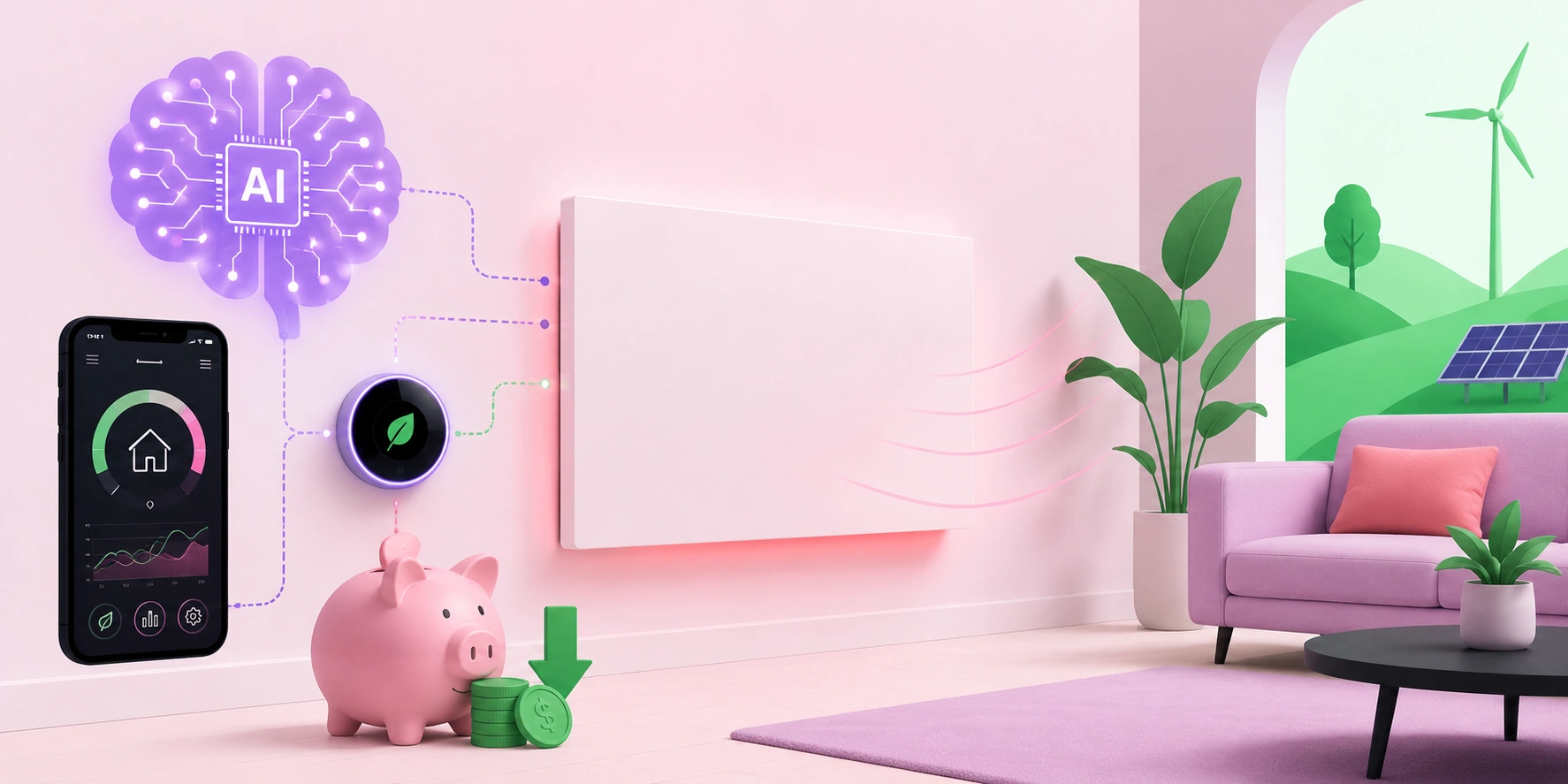
Save Energy and Money with Artificial Intelligence Electric Radiant Panel Heating
Energy costs are rising globally, and homeowners and businesses alike are searching for smarter ways to heat their spaces without draining their budgets. Traditional heating systems — gas boilers, forced-air furnaces, and conventional electric heaters — are notorious for energy waste, uneven heat distribution, and high operational costs. But a new era of intelligent heating has arrived. Artificial intelligence electric radiant panel heating combines the efficiency of infrared radiant technology with the predictive power of AI to deliver precise, comfortable, and cost-effective warmth. In this post, we explore how this innovative solution works, why it outperforms legacy systems, and how it can dramatically reduce your energy consumption and monthly bills.
What Is Electric Radiant Panel Heating?
Electric radiant panel heating uses infrared radiation to warm objects and people directly, rather than heating the surrounding air. Mounted on walls or ceilings, these sleek panels emit gentle, consistent warmth that mirrors the natural comfort of sunlight. Because radiant heat targets surfaces rather than air, there is minimal energy lost to drafts, ventilation, or air circulation. Rooms feel warmer at lower thermostat settings, which translates directly into reduced electricity consumption.
Unlike forced-air systems that circulate dust, allergens, and bacteria, radiant panels provide clean, silent, and zone-specific heating. Each panel can operate independently, meaning you only heat the rooms you actually use. This zonal control alone can reduce heating costs by 20 to 40 percent compared to whole-house systems running continuously.
How Artificial Intelligence Transforms Radiant Heating
Radiant panel heating is already efficient — but when you add artificial intelligence to the equation, the results are extraordinary. AI-powered heating systems learn from your behavior, preferences, and environmental conditions to make real-time decisions that maximize both comfort and energy savings.
Predictive Scheduling and Learning Algorithms
AI-driven heating panels use machine learning algorithms to study your daily routines. Over time, the system learns when you wake up, leave for work, return home, and go to sleep. Instead of relying on a static schedule you program manually, the AI creates a dynamic heating plan that adapts automatically. If you sleep in on weekends or come home early on Fridays, the system detects these patterns and adjusts without any manual input from you. The result is that your home is always at the right temperature exactly when you need it — and not burning energy when you do not.
Real-Time Environmental Sensing
Modern AI heating systems integrate with a network of sensors that monitor indoor temperature, outdoor weather conditions, humidity levels, and even occupancy. If the outdoor temperature drops sharply in the afternoon, the AI anticipates the heat loss your home will experience and begins compensating before you feel the chill. Conversely, on an unseasonably warm winter day, the system reduces output to avoid overheating and unnecessary energy spend. This real-time responsiveness is something no manual thermostat or basic programmable timer can replicate.
Room-by-Room Zonal Optimization
One of the most powerful features of AI-enabled radiant panel systems is granular zone control. Rather than treating your entire property as a single heating unit, the AI manages each room independently based on occupancy data and usage patterns. A guest bedroom that is empty for weeks receives minimal heat. Your living room ramps up 30 minutes before your evening routine begins. Your home office maintains a steady, productive temperature during working hours and powers down automatically when you step away. This level of precision eliminates the massive waste associated with heating unoccupied spaces — a problem that plagues virtually every conventional heating setup.
The Financial Case: Real Savings You Can Measure
Beyond comfort and convenience, the financial argument for AI electric radiant panel heating is compelling. Studies across Europe and North America consistently show that households switching from gas central heating or old electric storage heaters to AI-managed radiant panel systems report energy bill reductions ranging from 25 to 50 percent annually. The exact saving depends on your property size, insulation quality, local energy tariffs, and your previous system's efficiency — but the direction of change is always the same: downward.
Lower Running Costs Than Gas
While electricity tariffs per unit are traditionally higher than gas, radiant panel systems are so efficient at converting electricity to heat — operating at near 100 percent efficiency — that the total energy consumed is significantly less than a gas boiler system losing heat through pipework, water, and radiators. When paired with a renewable energy tariff or solar panels, the cost advantage becomes even more dramatic. Many households with solar installations report near-zero net heating costs during spring and autumn months.
No Maintenance Costs
Gas boilers require annual servicing, occasional part replacements, and eventual full system replacements — costs that add hundreds to thousands of dollars over a system's lifetime. Electric radiant panels have no moving parts, no combustion, no pipes to freeze or corrode, and no annual service requirements. The AI software updates automatically, keeping your system optimized without any technician visits. This dramatically lowers the total cost of ownership over the system's 20-plus-year lifespan.
Smart Tariff Integration
AI heating systems can integrate directly with smart energy tariffs and time-of-use pricing plans offered by electricity providers. The system automatically runs your heating at full intensity during off-peak hours when electricity is cheapest — often overnight — and scales back during peak price windows. Some advanced platforms even communicate with national grid APIs to shift energy consumption in response to real-time wholesale electricity prices. This kind of automated energy arbitrage was once the exclusive domain of industrial energy managers. AI puts it in the hands of every homeowner.
Environmental Benefits: Heating with a Smaller Footprint
Reducing your energy consumption is not just good for your wallet — it is essential for the planet. Heating accounts for a significant portion of household carbon emissions in most countries. By switching to an AI-optimized electric radiant panel system, you reduce your total energy demand and, if your electricity comes from renewable sources, your carbon footprint can approach zero. As national electricity grids become greener over time, your AI heating system automatically becomes cleaner without any changes to your hardware. A gas boiler, by contrast, will always burn fossil fuels.
Businesses are increasingly under pressure from regulators, investors, and customers to demonstrate sustainability credentials. An AI-managed heating infrastructure is a tangible, measurable step toward net-zero operations — and one that delivers financial returns alongside environmental benefits.
Installation and Integration: Simpler Than You Think
Many people assume that upgrading to an AI heating system requires extensive renovation work. In most cases, this assumption is wrong. Electric radiant panels are lightweight and mount directly onto existing walls or ceilings with minimal disruption. There is no need to install new pipework, radiators, or a boiler. A qualified electrician can typically complete a full installation in one to two days, depending on property size. The AI control hub connects to your home Wi-Fi and integrates with popular smart home platforms including Amazon Alexa, Google Home, and Apple HomeKit.
For businesses and commercial properties, AI radiant heating systems scale elegantly. Whether you are heating a single office suite or a multi-floor commercial building, the AI platform manages the entire estate from a single dashboard — tracking energy consumption by zone, generating efficiency reports, and flagging anomalies in real time. The data visibility alone is transformative for facilities managers who previously had no insight into where energy was being wasted.
Choosing the Right AI Heating Partner
The technology behind your heating system matters — but so does the expertise supporting your broader digital and intelligent technology strategy. If your business is exploring how artificial intelligence can reduce costs, increase efficiency, and deliver competitive advantage beyond just heating, working with a specialist technology partner is essential. At WebPeak, we help businesses harness the full potential of intelligent technologies across their operations. Our team understands how AI-powered systems — from smart building management to automated workflows — can transform how organizations spend, perform, and grow.
For companies specifically looking to implement AI-driven solutions at scale, our dedicated artificial intelligence services cover everything from AI strategy and integration to custom machine learning solutions tailored to your industry and operational goals. Whether you are a property developer integrating smart heating into a new build, or a facility manager retrofitting an existing portfolio, the right AI partner accelerates results and reduces costly mistakes.
The Future of Heating Is Already Here
We are at an inflection point in how buildings are heated. The combination of efficient radiant panel technology and adaptive artificial intelligence has created a category of heating systems that is genuinely superior to everything that came before — cheaper to run, better for the environment, more comfortable to live and work in, and smarter over time. Unlike conventional heating infrastructure that degrades and becomes obsolete, AI heating systems improve with each software update, learning from millions of data points to deliver ever-greater efficiency.
For homeowners, the message is simple: switching to AI electric radiant panel heating is one of the highest-return energy investments you can make. For businesses, it is a strategic operational improvement with measurable payback periods and long-term sustainability dividends. The technology is proven, the installations are straightforward, and the savings are real.
Final Thoughts
Saving energy and money with artificial intelligence electric radiant panel heating is not a future promise — it is a present reality available to any home or business willing to upgrade from outdated heating infrastructure. By combining the physics of radiant heat with the intelligence of machine learning, these systems deliver precisely the right amount of warmth, at exactly the right time, in only the spaces that need it. The financial savings are substantial, the comfort improvements are immediate, and the environmental benefits compound year after year as electricity grids grow cleaner. If you have been looking for a smarter way to heat your space, the answer is already here — and it is powered by AI.
Related articles
 Artificial Intelligence
Automatic Graphic Design: Where Automation Actually Works
Automatic graphic design works for execution and fails at judgement. Learn which tasks to automate, which to protect, and how to build a safe pipeline now.
 Artificial Intelligence
Best Time of Flight Artificial Intelligence Sensors Guide
Choosing the best time of flight artificial intelligence sensor setup: how ToF depth data improves models, and where it beats stereo or structured light.
 Artificial Intelligence
Audiobook Artificial Intelligence: Listen and Learn AI Fast
Which artificial intelligence audiobooks actually work in audio, which fail without diagrams, and how to retain technical material you only ever hear.