Best Strategies to Reduce Shopping Cart Abandonment on Shopify Stores
Discover the best strategies to reduce shopping cart abandonment on Shopify stores. Boost conversions with one-page checkout, express wallets, and recovery flows.

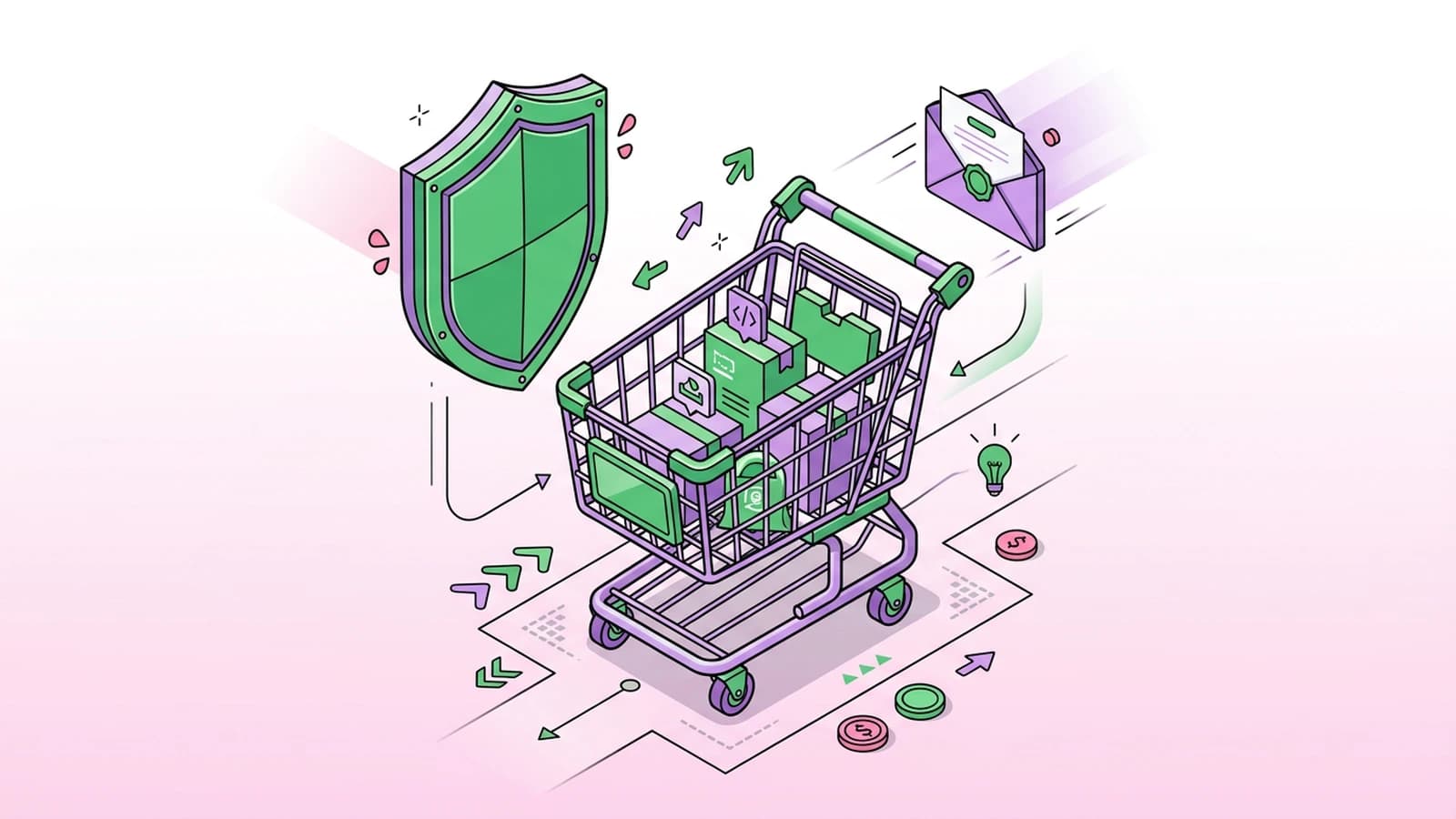
Discovering the best strategies to reduce shopping cart abandonment on shopify stores is paramount for any merchant looking to maximize profit margins and lower blended acquisition expenses. Industry data indicates that approximately seventy percent of digital shoppers place items into an online shopping basket only to depart without completing the transaction. For direct-to-consumer businesses operating on Shopify, this leaky funnel represents thousands of dollars in lost weekly revenue. Overcoming cart abandonment demands a structured optimization framework that tackles unexpected pricing surprises, friction-filled checkout flows, technical latency, and absent trust signals.
When an online store attracts steady organic and paid traffic, cart additions prove that product descriptions and merchandising resonance are working. However, the final transition from shopping cart to paid order confirmation is where subtle psychological barriers emerge. By analyzing user friction points and deploying high-impact recovery automations, merchants can reclaim significant volumes of lost checkout value.
Key Takeaways for Reducing Shopify Cart Abandonment
- Total upfront price transparency eliminates the primary driver of checkout drop-off: unexpected shipping costs.
- Accelerated digital wallets such as Shop Pay, Apple Pay, and Google Pay boost mobile conversion rates dramatically.
- Enabling frictionless guest checkout prevents abandonment caused by mandatory account registration demands.
- Automated multi-step email and SMS recovery flows recover fifteen to twenty-five percent of abandoned checkouts.
- Visible security seals, return policy guarantees, and payment provider badges reassure first-time visitors.
Why Shoppers Abandon Carts on Modern Shopify Stores
Understanding customer psychology during the checkout journey is essential before implementing tactical fixes. The decision to abandon a shopping cart is rarely arbitrary; rather, it is typically triggered by a sudden obstacle or unexpected discrepancy between expectation and reality. When buyers encounter hidden shipping fees, complex multi-page address fields, or doubts regarding delivery speed, their purchase conviction falters.
Mobile shopping dynamics exacerbate these friction points. Over sixty-five percent of Shopify orders originate on mobile handsets, where typing out full credit card numbers and residential addresses on small touchscreens is tedious. If your checkout architecture fails to accommodate thumb-friendly navigation and one-tap payment processing, prospective buyers will postpone their order and rarely return.
The Core Friction Drivers Across the Shopify Funnel
Detailed UX research reveals five primary friction points that account for the overwhelming majority of abandoned digital checkouts:
- Unexpected Additional Costs: Hidden shipping fees, unexpected import taxes, and surprise processing charges revealed only at the final step cause immediate cart exit.
- Forced Account Creation: Requiring shoppers to create a username and password before completing a purchase creates substantial friction for first-time buyers.
- Excessive Form Complexity: Asking for unnecessary phone numbers, company names, or repetitive billing data prolongs checkout duration unnecessarily.
- Lack of Preferred Payment Gateways: Failing to offer regional payment methods or flexible installment solutions like Klarna and Afterpay drives shoppers away.
- Slow Page Speed and Script Freezes: Heavy third-party tracking scripts that cause button delays or checkout timeouts destroy consumer confidence during payment submission.
Benchmarking Abandonment Rates: Causes and Solutions
| Abandonment Reason | Industry Prevalence | Direct Impact on Revenue | Primary Mitigation Strategy |
|---|---|---|---|
| Surprise Shipping Fees | 48% of abandonments | Severe loss of margin | Display free shipping threshold bar across catalog |
| Mandatory Registration | 24% of abandonments | Immediate mobile bounce | Enable guest checkout by default in Shopify admin |
| Complicated Checkout Steps | 18% of abandonments | High mobile drop-off | Deploy Shopify One-Page Checkout with address autocompletion |
| Security and Payment Concerns | 13% of abandonments | Loss of first-time trust | Add verified SSL seals and clear money-back guarantees |
| Slow Shipping Delivery | 11% of abandonments | Loss of time-sensitive buyers | Provide expedited shipping options with clear delivery dates |
Step-by-Step Implementation: Executing the Best Strategies to Reduce Shopping Cart Abandonment on Shopify Stores
A systematic, data-backed optimization sequence ensures your development and marketing teams address the highest-leverage conversion barriers first. Follow this implementation blueprint to systematically decrease cart drop-offs:
- Activate Shopify One-Page Checkout: Ensure your theme utilizes Shopify's modernized one-page checkout layout, which condenses shipping, billing, and payment into a unified view.
- Configure Express Payment Wallets: Integrate Shop Pay, Apple Pay, Google Pay, and PayPal Express. These tools store encrypted customer credentials, allowing buyers to complete transactions in less than thirty seconds.
- Integrate a Dynamic Free Shipping Progress Bar: Install a cart drawer notification that dynamically informs shoppers how much more they need to spend to unlock free delivery.
- Audit and Eliminate Cluttering Apps: Audit checkout scripts and remove legacy apps that inject unnecessary popups, surveys, or tracking pixels into the checkout flow.
- Deploy Automated Recovery Sequences: Build a tiered abandoned checkout automation sequence incorporating email and SMS touchpoints over a seventy-two hour window.
- Establish Clear Trust Anchors: Position clear guarantee badges, customer support contact links, and simple 30-day return policy summaries directly beneath payment buttons.
Optimizing Cart Drawers and Micro-Conversions
The traditional cart page is rapidly being replaced by high-converting slide-out cart drawers (also known as slide carts). A well-engineered cart drawer allows shoppers to review items, edit quantities, apply promo codes, and visualize shipping progress without redirecting them away from their current shopping context. Partnering with seasoned specialists in ecommerce development solutions enables brands to craft seamless cart drawer architectures that blend conversion-optimized design with lightning-fast execution.
Within the cart drawer, incorporate micro-incentives such as gift-with-purchase progress indicators, contextual cross-sell add-ons, and clear dispatch date estimates. When shoppers observe tangible progress toward value rewards, their psychological momentum toward finalizing the order increases substantially.
Building a High-Converting Multi-Channel Recovery Sequence
Even with an optimized checkout interface, a portion of visitors will inevitably step away due to external distractions. This is where automated recovery workflows prove invaluable. Rather than relying on a single generic message, construct a multi-stage communication sequence that addresses shopper objections progressively.
Integrate professional email marketing services to orchestrate precision-timed recovery flows. Send the first reminder within one hour of abandonment, featuring a helpful, non-pushy tone and direct links back to their saved cart. Send a second message twenty-four hours later offering customer assistance or answering frequently asked sizing questions. At forty-eight to seventy-two hours, present an exclusive time-sensitive incentive, such as free shipping or a modest discount, to close hesitant shoppers.
Leveraging Digital Marketing to Pre-Qualify Shoppers
Cart abandonment rates are heavily influenced by the quality and intent of the traffic entering your storefront. If advertising campaigns target low-intent audiences using sensational claims, visitors will naturally abandon carts upon discovering actual retail pricing. Aligning your paid acquisition channels through comprehensive digital marketing services ensures that your ad copy, landing pages, and creative assets accurately reflect product costs, setting realistic expectations before visitors even initiate checkout.
Psychological Triggers: Scarcity, Urgency, and Social Proof in Checkout
Shoppers who reach checkout frequently experience last-second buyer hesitation. Tactically applying behavioral psychology can bridge the gap between intent and action without appearing aggressive or deceptive. Authentic scarcity cues—such as displaying real-time stock counters ('Only 3 left in stock')—encourage immediate action by reminding shoppers that delaying may mean missing out.
Furthermore, embedding verified buyer social proof directly within the cart drawer reinforces purchase confidence. Displaying brief star rating quotes from verified buyers or featuring notable media endorsements reassures hesitant shoppers that your brand is reliable and trusted by thousands of satisfied customers.
Mobile-First Checkout Usability and Performance Optimization
Optimizing for handheld viewports requires eliminating every unnecessary touchpoint. Ensure input fields trigger the appropriate mobile keyboard layouts—such as displaying numeric keypads for credit card and ZIP code entries. Address autocompletion powered by Google Places API cuts form completion time by more than half.
In addition, rigorous testing across multiple mobile operating systems and screen sizes prevents layout breaks. Sticky 'Complete Order' buttons positioned comfortably within thumb reach ensure seamless checkout execution, even when shoppers are browsing on the go with one hand.
Analyzing Abandonment Metrics in Shopify Analytics
To refine your checkout performance continually, monitor your store's native conversion funnels. Review the 'Online store conversion rate' report in Shopify Analytics, breaking down performance across Sessions that reached Add to Cart, Reached Checkout, and Sessions Converted. According to official Shopify abandoned checkout documentation, analyzing checkout drop-offs at each distinct stage highlights whether friction occurs during shipping address entry, delivery selection, or payment method submission.
A/B Testing Framework for Cart and Checkout Enhancements
Implementing optimizations without structured split-testing introduces uncertainty into your sales pipeline. To verify that modifications genuinely lift overall revenue, deploy an iterative A/B testing framework. Test one element at a time—such as comparing a slide-out cart drawer against a dedicated full-page cart, or testing different free shipping threshold calculations.
Ensure each experimental variant achieves statistical significance across a minimum sample size of one thousand checkout sessions before declaring a winner. Monitor secondary metrics alongside conversion rates, including average order value (AOV) and customer lifetime value (LTV), to confirm that price incentives do not erode gross margins.
Post-Purchase Optimization: Preventing Buyer Remorse and Returns
Cart optimization extends beyond the moment payment clears. When customers complete an order, immediate order confirmation clarity cements their decision and dramatically lowers cancellation rates. Displaying clear delivery tracking timelines, interactive customer service chat options, and downloadable order invoices eliminates anxiety and reinforces purchase confidence.
By nurturing new buyers with comprehensive post-purchase onboarding emails and transparent fulfillment updates, direct-to-consumer brands foster long-term loyalty. Confident, satisfied first-time buyers become repeat purchasers who navigate future checkouts with zero hesitation, permanently elevating your baseline store conversion rate.
Essential Tooling and Analytics Stack for Checkout Monitoring
Maintaining a healthy checkout conversion rate requires continuous monitoring tools. In addition to native Shopify reports, deploying behavior analytics software like heatmaps and session recordings uncovers subtle user struggles. Watching real shoppers navigate your form fields reveals unexpected mobile keyboard overlap, unresponsive buttons, or ambiguous shipping selector labels.
Establish a weekly operational review cadence to inspect checkout completion rates across operating systems, browsers, and device categories. When anomalous drop-offs occur on specific mobile versions, your development team can address technical glitches before they compromise commercial targets.
Conclusion: Turning Abandoned Carts into Predictable Revenue
Reducing cart abandonment is one of the highest-ROI initiatives available to digital commerce leaders. By eradicating surprise delivery expenses, embracing streamlined express wallets, refining mobile form usability, and deploying intelligent multi-touch recovery workflows, you plug the critical leaks in your conversion funnel. Approach checkout optimization as an ongoing operational habit: review performance metrics regularly, conduct iterative A/B tests on value propositions, and preserve a frictionless shopping path that empowers enthusiastic buyers to finalize their purchases with confidence.
Frequently asked questions
The average shopping cart abandonment rate across Shopify stores hovers between 68% and 72%. Niche direct-to-consumer apparel and luxury goods often experience higher rates, while consumable goods typically achieve lower abandonment.
Justin edits and fact-checks articles, keeping every post accurate, readable and consistent with the house style.