
How to Market Without Social Media: 9 Proven Strategies That Actually Work
Learn how to market without social media using SEO, email, and content strategies that build durable, algorithm-proof customer relationships and steady growth.
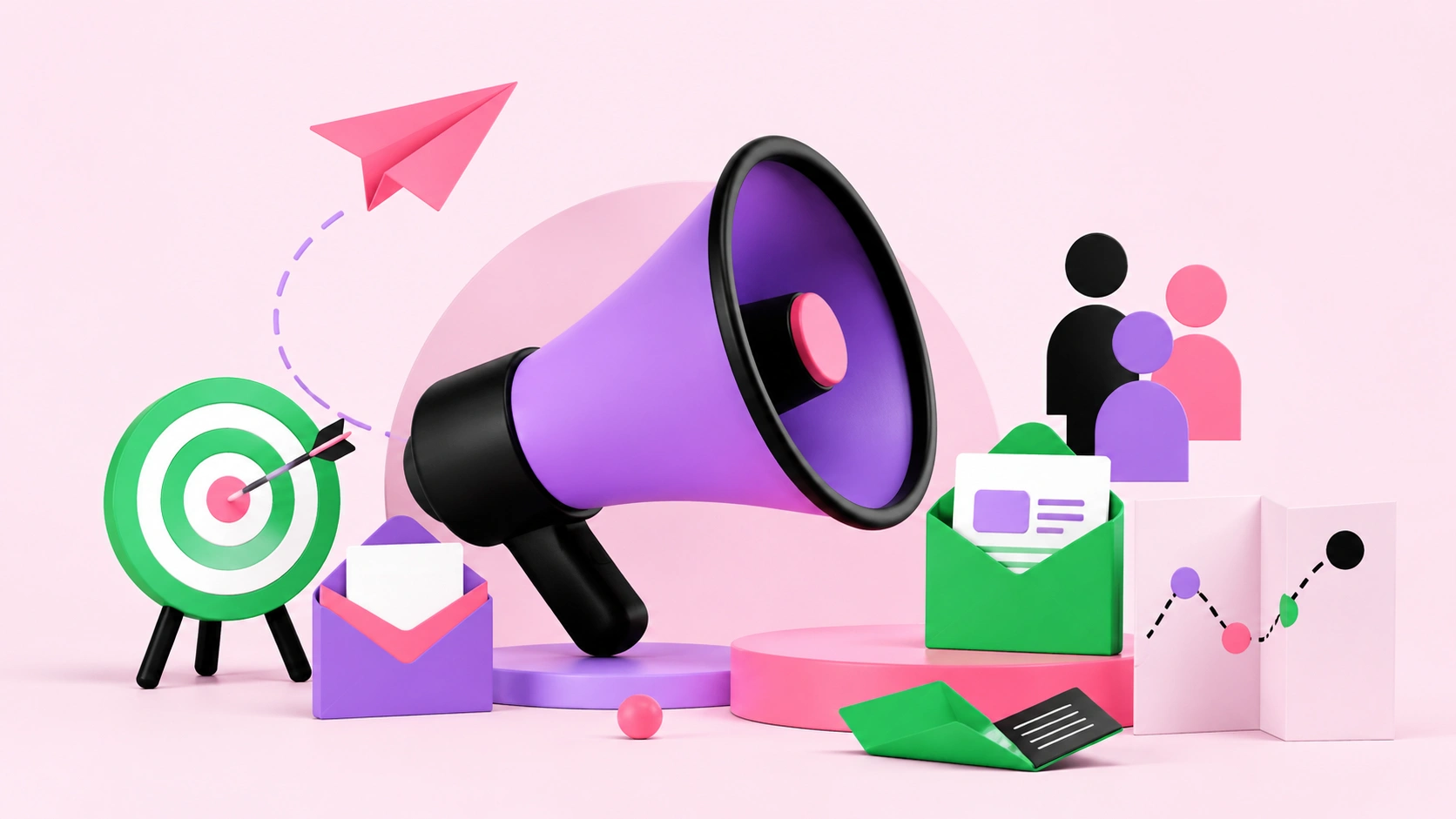
How to Market Without Social Media: 9 Proven Strategies That Actually Work
Marketing without social media means growing a business through channels you own or control directly, such as your website, email list, search rankings, and referral networks, rather than renting attention on platforms like Instagram or TikTok. Many founders assume social media is mandatory, but some of the most profitable brands run lean, focused funnels that never depend on a feed algorithm. If you are burned out by content treadmills or worried about platform bans, this guide gives you a practical roadmap to attract customers without posting a single reel.
Quick Answer: You can market without social media by ranking on Google through SEO, building an email list, publishing helpful content, earning referrals, running search ads, appearing on podcasts, using local citations, and nurturing partnerships. These owned and earned channels compound over time and are not controlled by any social feed.
How WebPeak Helps You Grow Beyond Social Feeds
WebPeak is a full-service digital agency that helps businesses build marketing engines they actually own instead of depending on unpredictable algorithms. Their team focuses on durable channels, from technical SEO services that capture high-intent search traffic to conversion-focused websites and automated email marketing flows. If your goal is predictable pipeline without a content treadmill, they can audit your current funnel, identify the highest-return channels for your niche, and build systems that generate leads while you sleep. WebPeak works with clients worldwide across strategy, execution, and measurement.
Why Would a Business Choose Not to Use Social Media?
Opting out of social media is a deliberate resource allocation decision, not laziness. Social platforms demand constant content, and their organic reach has collapsed, with many pages seeing under 3% of followers view a given post. Businesses that sell high-value services, target older demographics, or operate in regulated industries often find search and email convert far better. Owned channels also protect you from sudden account suspensions, algorithm changes, and rising ad costs. The core principle is simple: build assets you control, so a single platform policy update can never erase your customer base overnight.
What Are the Best Channels to Replace Social Media?
The strongest replacement channels share one trait: intent. People arriving from Google search or a referral are actively looking for a solution, unlike passive scrollers. Prioritize channels in this order for most service and product businesses:
- Search Engine Optimization (SEO): Rank for questions your buyers type into Google to capture free, high-intent traffic.
- Email marketing: Build a list you own and nurture leads directly to their inbox.
- Content and blogging: Publish in-depth guides that answer real customer questions and earn backlinks.
- Referral and word-of-mouth: Turn happy customers into a recurring acquisition channel.
- Search and display ads: Pay for placement in front of buyers with commercial intent.
- Podcast guesting and PR: Borrow established audiences and build authority.
- Local SEO and citations: Dominate Google Maps and directories for location-based searches.
How Do These Channels Compare for ROI and Effort?
Not every channel fits every business, so weigh return, speed, and maintenance before committing. The table below compares the most effective non-social channels so you can allocate budget intelligently based on your timeline and resources.
| Channel | Time to Results | Long-Term ROI |
|---|---|---|
| SEO and Content | 3 to 6 months | Very high, compounds over time |
| Email Marketing | 2 to 4 weeks | High, strong repeat revenue |
| Referral Programs | 1 to 3 months | High, low ongoing cost |
| Search Ads (PPC) | Immediate | Moderate, stops when spend stops |
| Podcast and PR | 1 to 2 months | Moderate to high authority gains |
What Results Can You Realistically Expect?
Expect compounding returns rather than overnight spikes. According to HubSpot research, companies that blog consistently generate roughly 55% more website visitors than those that do not, and content marketing costs about 62% less than traditional outbound while producing about three times as many leads. Email remains the highest-return channel, with the Data & Marketing Association reporting an average return of around $36 for every $1 spent. In practice, a service business that publishes two well-optimized articles per month and captures emails through a lead magnet can build a steady inbound pipeline within two quarters. The original insight most guides miss: your first 20 pieces of content are an investment that keeps paying long after publication, while a social post is dead within 48 hours. Owned channels turn effort into an appreciating asset.
Key Takeaways
- Marketing without social media relies on owned and earned channels like SEO, email, and referrals that you fully control.
- Search and email convert better than social because they capture high-intent buyers, not passive scrollers.
- Content marketing generates roughly 3x more leads at 62% lower cost than outbound methods.
- Email marketing delivers around $36 back for every $1 invested, making it the highest-ROI channel.
- Content compounds as an asset, while social posts lose visibility within days.
Frequently Asked Questions
Can a business really succeed without any social media?
Yes. Many profitable companies grow entirely through SEO, email, referrals, and paid search. Success depends on choosing intent-driven channels and building assets you own. Businesses targeting search-active buyers or high-value clients often see stronger conversion rates without social media than with it.
What is the fastest way to get customers without social media?
Search ads deliver the fastest results because they place your offer in front of people already searching for it. Pair paid search with a strong landing page and email capture so you convert clicks immediately and nurture the rest of your traffic into long-term leads.
Is email marketing better than social media marketing?
For direct revenue, usually yes. Email is an owned channel with an average return near $36 per $1 spent, and you reach subscribers directly without algorithm interference. Social media is better for discovery, but email consistently outperforms it for conversions and customer retention.
How long does SEO take to bring traffic?
Most sites see meaningful organic traffic within three to six months, depending on competition and content quality. Low-competition keywords can rank faster. SEO is slower to start than ads but delivers compounding, cost-free traffic that continues growing long after the initial work is done.
What content should I create if I avoid social media?
Focus on search-optimized blog posts, detailed guides, comparison pages, and lead magnets like checklists or templates. Answer the exact questions your buyers type into Google. This content ranks in search, earns backlinks, and feeds your email list without ever requiring a social post.
Conclusion
The single most important decision is where to place your limited time: rented attention that vanishes, or owned assets that compound. If you commit to even one durable channel, start with SEO-driven content backed by an email list, because together they capture intent and convert it repeatedly. Build the asset once, and it works for years. For a tailored channel strategy grounded in real performance data, a specialized team like WebPeak can help you replace algorithm anxiety with a system that reliably produces leads.
Related articles
 Digital Marketing
Graphic Design and Marketing: A Practical Growth Guide
Learn a practical method for graphic design and marketing for campaign planning, content systems, conversion assets, and brand growth, with clear steps, real.
 Digital Marketing
Graphic Design Advertising: How to Build Better Campaigns
Learn a practical method for graphic design advertising for paid social, display, print, outdoor, and campaign creative, with clear steps, real trade-offs.
 Digital Marketing
Keywords for Graphic Design Website: SEO That Converts
How to choose keywords for a graphic design website that attract buyers rather than browsers, and how to map them to service, location and portfolio pages.